
Forged Horizons Advisors | Precision Exits™
Execution Underwriting for PE-Backed Companies
Your exit multiple is set during execution, not at sale.
QoE verifies the numbers. Execution Underwriting tests whether the investment thesis, operating plan, required investments, and buyer-grade proof hold together before diligence does.
Buyers find gaps before the board does.
The board hears progress. Buyers test proof, sequencing, investment needs, leadership capacity, and the post-exit roadmap.
Clarity now. Fewer surprises later.
The diagnostic identifies where one company may already be behind the thesis, but not yet behind the dashboard.
“A gap found 18 months before exit is a fixable operating issue. A gap found in diligence is a valuation issue.”
Problem
The dashboard can stay green while the thesis falls behind.
Execution drift rarely begins as obvious failure. It starts when the investment thesis, management assumptions, and operating reality stop compounding in the same direction.
The company looks busy. The dashboard looks acceptable. The board hears progress. But the proof buyers will eventually diligence is not strengthening at the same pace as the story.
The board hears progress. Why does the buyer see something different?
Boards see the dashboard. Buyers test the proof behind it: ownership assignments, sequencing decisions, required investment commitments, and the credibility of the post-exit roadmap. Those are different questions from the same data.
Boardroom Scene
Three reasonable answers can still create one fragile plan.
CFO
Margin expansion depends on utilization and add-back discipline.
COO
Margin expansion depends on delivery standardization and capacity planning
CRO
Growth depends on enterprise customization and faster sales response.
Each answer can be reasonable. The issue is whether those answers add up to one executable plan before a buyer tests the same gap in diligence.
Trust line
This is not a management audit.
It is a pressure test of whether sponsor expectations, management assumptions, and buyer proof requirements are operating from the same plan.
Consequence
A gap found 18 months before exit is a fixable operating issue. A gap found in diligence is a valuation issue.
Private equity has a catch-up mechanism for carry. Most portfolio companies do not have one for execution drift. When the dashboard stays green but the thesis falls behind, value starts to leak before the board names the issue.
1
Return of Confidence
Ownership is assigned, cadence is set, and leadership can name who owns what. The board’s confidence in the plan is restored before a single new dollar is committed.
2
Preferred Execution Return
The three to five priority levers in the value creation plan are executing on schedule, delivering the baseline return the thesis was underwritten to produce, before any stretch goal is tested.
3
Execution
Catch-Up
The initiatives that slipped are back on pace. Sequencing that drifted is realigned, and the team has caught up to the cadence the thesis requires.
4
Buyer
Grade Proof
The proof base, systems, and post-exit roadmap are strong enough to survive a buyer’s diligence team, not just a board update. This is the standard Execution Underwriting is built to test.
Hidden risk
Most value creation plans fail less from one bad initiative than from Absorption Risk.
Absorption Risk appears when too many simultaneous initiatives compete for the same leadership bandwidth, data, process maturity, systems, and decision capacity.
The underwriting question is whether the plan includes the OpEx, CapEx, talent, systems, sequencing, and change capacity required to absorb the work.
llustrative cost
Late gaps narrow buyer conviction.
When execution gaps surface late, the cost can show up as lower confidence in the premium story, a weaker post-exit roadmap, more buyer diligence, or a lower valuation range.
0.5 to 1.5 turns
If Absorption Risk is invisible on the dashboard, how does the board see it?
It rarely shows up as a single failed initiative. It shows up as slower-than-expected proof accumulation, initiative sequencing that keeps shifting, and a management team that can describe the strategy but not the ownership structure behind it.
Signals
Signals you may already be behind the thesis, but not yet behind the dashboard.
What you are observing
SIGNALS
☑️ “The dashboard looks fine, but I’m not sure the proof is compounding.”e too many things in flight at once.”
The story and the evidence are moving at different speeds. Buyers will find the gap between them before the board does.
☑️ “We have too many things in flight at once.”
Absorption Risk. Too many simultaneous initiatives competing for the same leadership bandwidth, data, process maturity, and decision capacity.
☑️ “The board, deal team, and management each describe progress differently.”
Three versions of progress means the plan has not been translated into one set of owners, cadence, and tradeoffs. Buyers will surface this gap in management interviews.
☑️ “The exit narrative is strong, but I’m not sure the operations can support it yet.”
The story is ahead of the evidence. Execution Underwriting tests whether the proof base can carry the premium the narrative is asking buyers to pay.
☑️ “The exit narrative is strong, but I’m not sure the operations can support it yet.”
Implied investments without formal underwriting create the valuation surprises buyers find in diligence and lenders find in covenant reviews.
☑️ “Management can describe the strategy, but not who owns what, at what cadence.”
Strategy without ownership is a slide deck, not an operating plan. Buyers test the operating plan. The slide deck does not survive that test.
Intervention
Execution Underwriting is the operating companion to QoE.
Precision Exits™ helps sponsors preserve and expand exit value through Execution Underwriting. It does that by surfacing where the operating plan, management assumptions, required investments, and buyer proof requirements are no longer aligned.
Execution Underwriting is a bounded operator diagnostic on the specific asset in front of you. It tests whether the management team, operating cadence, ownership model, and proof base can carry the future earnings bridge buyers are being asked to pay for.
QoE validates historical earnings. What validates whether the future earnings bridge is executable?
QoE answers: did the company earn what it claimed? Execution Underwriting answers: can management deliver what buyers are being asked to pay for? Those are different questions. Both matter before close and before exit.
Primary method
Strategic Table Read™
- Align leadership to the investment thesis. Translate the plan into operating choices, owners, tradeoffs, and required investments.
- Build execution cadence. Move work, decisions, and accountability at the pace value creation requires.
- Focus on the few moves that create value. Prioritize the initiatives that support EBITDA, cash, and exit readiness.
- Underwrite proof, process, and required investments. Confirm the OpEx, CapEx, data, systems, and processes buyers, lenders, and boards will trust.
- Prepare leadership for ownership demands. Test whether capacity, incentives, decision rights, and talent gaps match what the investment requires.
When sponsors use this
Sponsors use Execution Underwriting when the company is not obviously broken, but the value bridge has not been pressure-tested.
Situation
What is happening
What FHA tests
Pre-close
The investment thesis looks attractive, but required investments, sequencing, talent gaps, and execution probabilities are not fully underwritten.
Whether management can run the thesis under sponsor cadence.
First board or value creation reset
The plan exists, but management is not operating from one version of it.
Whether ownership, cadence, and tradeoffs are aligned.
Mid-hold drift
The dashboard is acceptable, but the thesis is not compounding cleanly.
Whether execution assumptions still hold.
12 to 24 months pre-exit
The company is busy, but buyer-grade proof and the post-exit roadmap are not strong enough to support the premium.
Whether the story can survive diligence.
Diagnostic output
The 20-minute diagnostic gives the sponsor one concrete read, not a sales pitch.
One company where the thesis may be ahead of operating proof.
One company where the thesis may be ahead of operating proof.
The gap most likely to surface in board, lender, or buyer scrutiny.
The gap most likely to surface in board, lender, or buyer scrutiny.
Who benefits
The same diagnostic helps each stakeholder protect value from a different angle.
Independent Sponsors
Margin expansion depends on utilization and add-back discipline.
Operating Partners
Margin expansion depends on delivery standardization and capacity planning
Deal Teams
Growth depends on enterprise customization and faster sales response.
Proof
The market is already telling sponsors where execution stories break.
52%
of PE leaders say the quality of portco leadership causes tension and misalignment with management teams. Execution risk is often visible before exit, but rarely formally pressure-tested.
Source: AlixPartners Tenth Annual PE Leadership Survey, 2025.
76%
of senior operating partners cited balancing deal-team and management-team needs as a core part of success. Execution Underwriting helps translate the thesis across that triangle.
Source: Blue Ridge Partners, The Legends of Value Creation, 2025.
$3.8T
in unrealized PE value across approximately 32,000 unsold companies. Exit pressure is increasing, not decreasing. The value bridge must be demonstrably executable, not only strategically compelling.
Source: Bain Global Private Equity Report, 2026.
Who runs this
Operator experience, not advisory distance.
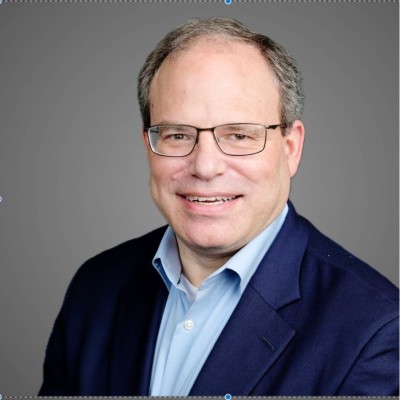
Mike Litvak
Founder, Forged Horizons Advisors
Five P&L and practice launches at Gartner and UMS Group. Six years at IBM Corporate Development in a buyer-side deal sourcing role — pattern recognition from 100+ C-suite management meetings, 20+ years as strategy and operational consultant. Operating roles at Gartner and American Express. Prior: Gartner Consulting, Arthur D. Little, UMS GROUP. NYU Stern MBA + Cornell ILR degrees
IBM Corporate Development
Kyndryl Spinout Analysis
Gartner Practice Builder
100+ C-Suite Management Meetings
Where is one company already behind the thesis, but not yet behind the dashboard?
In 20 minutes, we identify the likely gap, where it may surface, and whether a deeper Execution Underwriting diagnostic is worth your time.
Do This Now
Name one initiative in your current portfolio where ownership, sequencing, and required investments are implied in the plan but not formally assigned. That is where Absorption Risk begins — and where a buyer will look first. Bring that company to the diagnostic.